
Courses & Workshops
SMT 200 Introduction to Sustainable Materials & Technology
Offer in Fall, 3 Credit Hours
Freshman Undergraduate Level
SMT 200 provides an introduction to the manufacturing, properties, and performance of widely used materials, including metals, ceramics, polymers, composites, and bio-based materials. The course emphasizes the fundamental relationships between processing, structure, properties, and performance. In parallel, students will examine the sustainability aspects of these materials — considering how material choices influence the environmental footprint of products — and begin to develop an understanding of sustainable materials and technologies in the context of modern manufacturing and design.
SMT 200 includes two in-person lectures (T/Th) and one in-person lab session (T) every week.
Course-Level Learning Outcomes:
Technical Outcomes:
- Recognize and classify the major types of engineering materials (including metals, ceramics, polymers, composites, natural fibers and bio-sourced materials) based on their structure and basic properties.
- Identify how processing methods influence material structure and describe how structure affects key properties (e.g., physical, mechanical, thermal) and performance in simple applications.
- Describe common processing techniques used to convert raw materials into finished products.
- Use basic material and process selection principles to make informed choices in guided case examples.
- Compare material options based on their performance and environmental considerations target applications discussed in class or case studies.
- Explore the concept of sustainability in the context of materials and technology.
- Explain how sustainability principles inform decision-making across the life cycle of materials and technologies.
Professional Outcomes:
- Demonstrate the ability to communicate technical ideas clearly and professionally in both oral and written forms, tailored to the audience.
- Apply effective use of visuals and appropriate citation practices to support concise, audience-aware communication of technical content.
- Formulate relevant questions and evaluate credible information sources to investigate unfamiliar topics or technical problems.
- Collaborate effectively in diverse teams by contributing ideas, listening actively, and managing responsibilities to meet shared goals.
- Connect disciplinary knowledge to broader societal, professional, or interdisciplinary contexts through engagement and informed discussion.
PSE 370 Pulp and Paper Products and Markets
This course received the 2022 Quanser Global Sustainability Award.
Offer in Spring, 3 Credits Hours
Junior/Senior Undergraduate Level
PSE 370 is a new course in the Paper Science and Engineering program, designed to increase students’ understanding of major growth sectors in the pulp and paper industry. This understanding will make the students more aware of the moving parts within the global industry, and help them to make decisions about which companies to select for their final internships and co-ops, as well as for the first entry-level position.
The course includes two lectures (Mondays/Wednesdays) and one problem-based learning session (Fridays).
Modules covered during the lectures:
- Corrugated and folding packaging
- Tissue and towel products
- Specialty papers
Learning Outcomes:
- Understand how raw material attributes and processing may impact the end-use properties of a target product (structure-properties-processing relationships).
- Define, recognize, and explain the processing steps involved in paper and paperboard converting; and more especially involved in packaging and tissue engineering.
- Show ability to conduct, sort out, and assimilate information from your online search and information shared in-class by the instructors and the guest speakers.
- Show effective teamwork, time, and project management.
- Communicate and explain effectively, both verbally and in writing, course-related definitions and concepts, problem-solving strategies, and project outcomes.
- Discuss potential project outcomes and results using well-reasoned arguments based on your knowledge and understanding in the field.
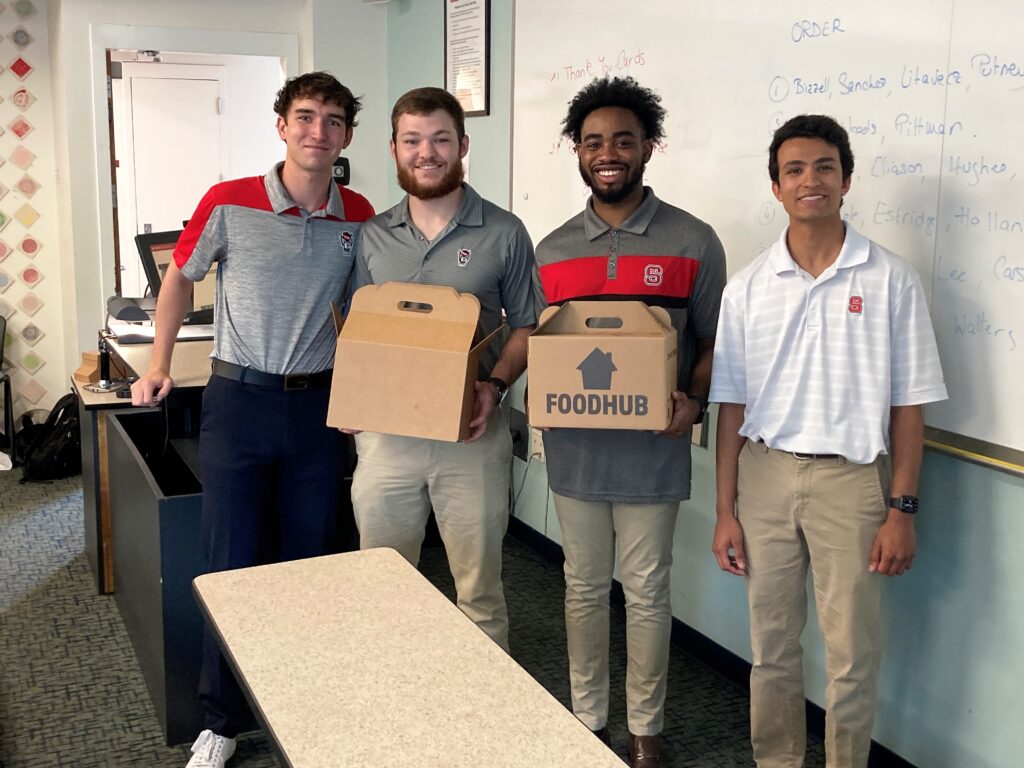
Course in partnership with DS Smith, North America. a leader in the corrugated packaging industry.
PSE 355 Pulp and Paper Unit Processes I
Offered in Fall, 3 credits
Junior Undergraduate Level
PSE 355 is designed for students to learn unit operations in the chemical engineering field. Many examples from pulp and paper industry will be covered.
Learning Outcomes:
- Describe relevance in connecting, extending, and applying basic knowledge of chemical engineering obtained in CHE 205 to unit operations pertinent to the pulp & paper industry.
- Construct reasoning of the problem(s) and respective solution(s) with clarity, accuracy, and precision.
- Identify complexities and needs of Pulp & Paper Engineering systems.
- Develop, discuss, and apply different problem-solving strategies.
- Solve pulp & paper engineering problems, including mass and energy balances, hydrostatic problems, pump needs for fluid transport applications, heat conduction phenomena and heat exchangers for given heat transfer applications.
- Describe your step-by-step problem-solving approach(es) by constructing simple differential equations and defend your rationale to effectively support your solution(s) with respect to the constraints of the problem.
The Wolfpack Engineering Unleashed Incubator
A Faculty Professional Development Opportunity
A partnership with the College of Engineering at NC State and the Kern Family Foundation to train engineering faculty at NCSU to inject active learning and project-based learning into the curriculum.
This 2-day incubator will be offered every year, in May-June.
For more information, please check our official webpage.
Unraveling the value tensions of sustainability – An Engineering Unleashed Faculty Development Workshop
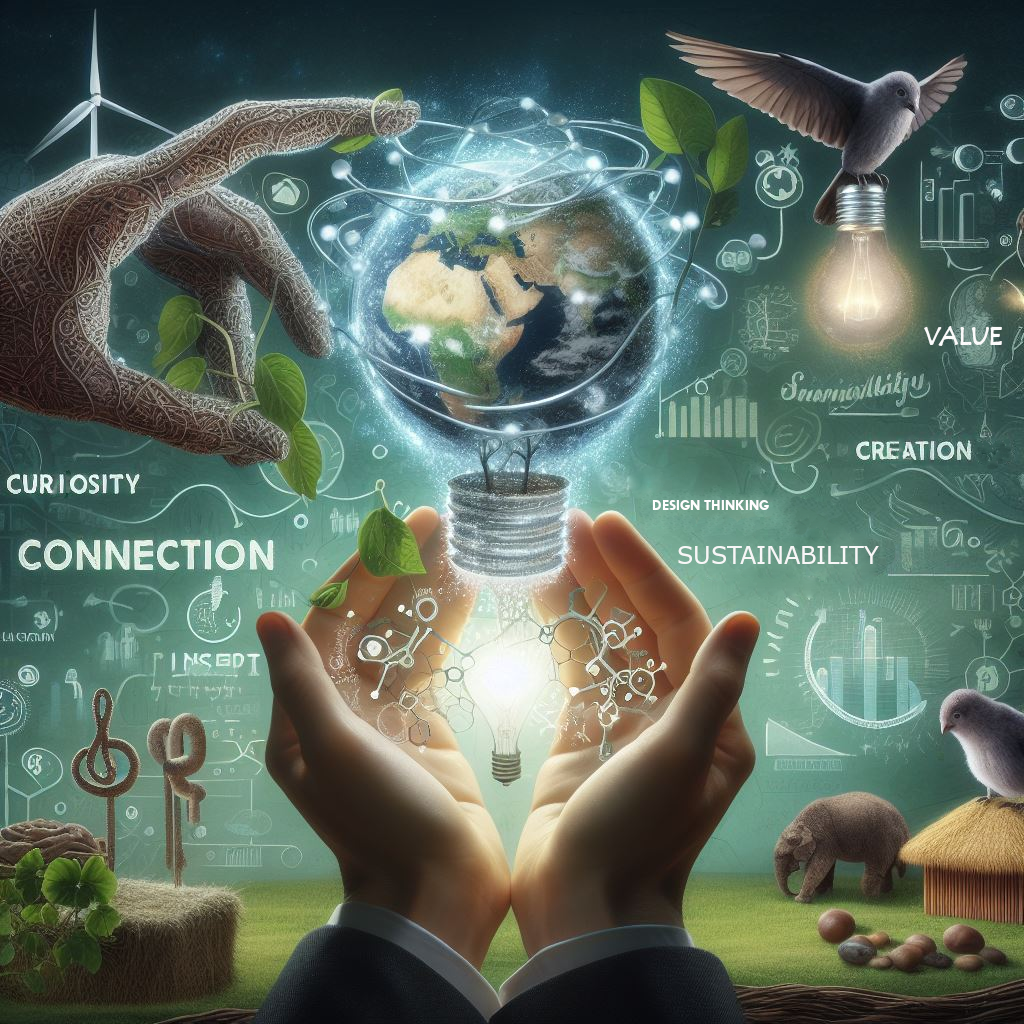
Get an entrepreneurial mindset-infused framework for design thinking that teaches students how to manage value tensions and prioritize sustainability!
How can instructors incorporate sustainability into our classrooms to allow students to manage the value tensions inherent in sustainability considerations, making them attractive to the job market?
Unraveling the Value Tensions of Sustainability with EML (UVT) will provide you with a new framework for design thinking that infuses both sustainability and entrepreneurially minded learning (EML), helping you to teach students how to balance tensions in value creation to prioritize sustainability.
Who Should Attend: Faculty and instructors who desire to infuse, discuss and create value with regard to sustainability in their undergraduate and graduate level course(s), curriculum and/or research using EML.
This workshop was offered on June 3-6, 2024, in Minneapolis, MN.
Stay tune for next years’ opportunity!
Workshop sponsored by KEEN and Engineering Unleashed!